OUR HISTORY · ŌBAKU BAISA-RYŪ
A living tradition carried through time
From Baisaō to the present — the origins, ideals, and evolving practice of Senchadō
From Baisaō to the present — the origins, ideals, and evolving practice of Senchadō
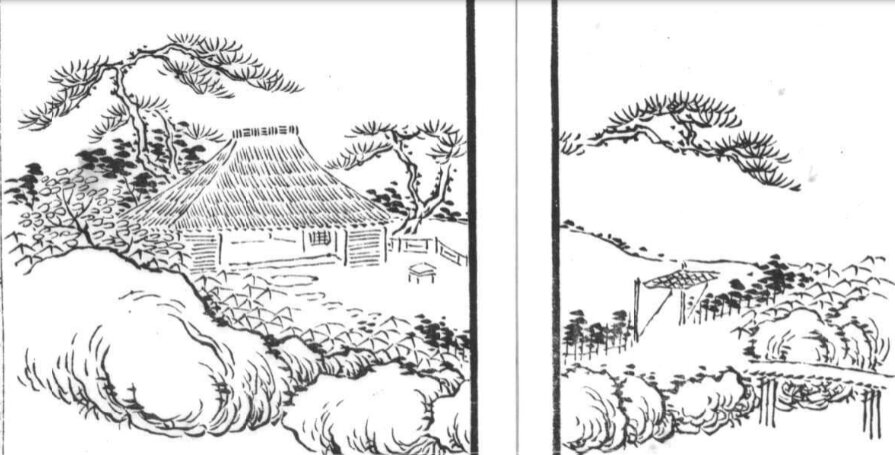
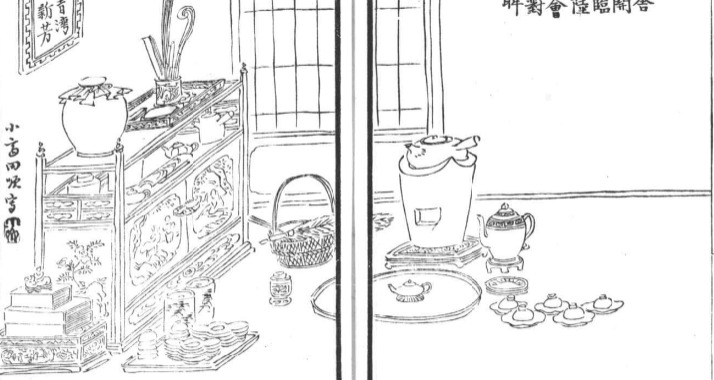
※ From Seiwan Chakaizuroku — an illustrated record of tea gatherings — depicting the tools, settings, and figures at the root of senchadō's story.
Baisaō and the Travelling tea
Senchadō took shape not in a temple, but on the streets of Kyoto.
It all began almost by chance with Baisaō, a former Zen monk of the Ōbaku school, who started serving tea at various street corners around Kyoto.
Tea was very expensive at the time, but Baisaō offered it to passers-by for an incredibly low price — sometimes even for free — giving many people the chance to try this beverage for the first time. Word spread quickly, and his humble tea stall became known as a place where tea was served to everyone, regardless of their social status. This was a freer way of enjoying tea, somewhat removed from the formalities of the traditional tea ceremony.
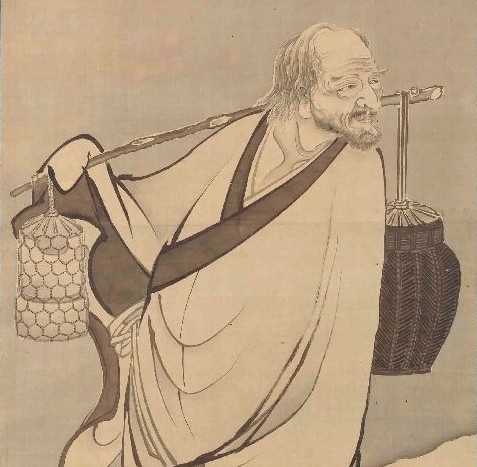
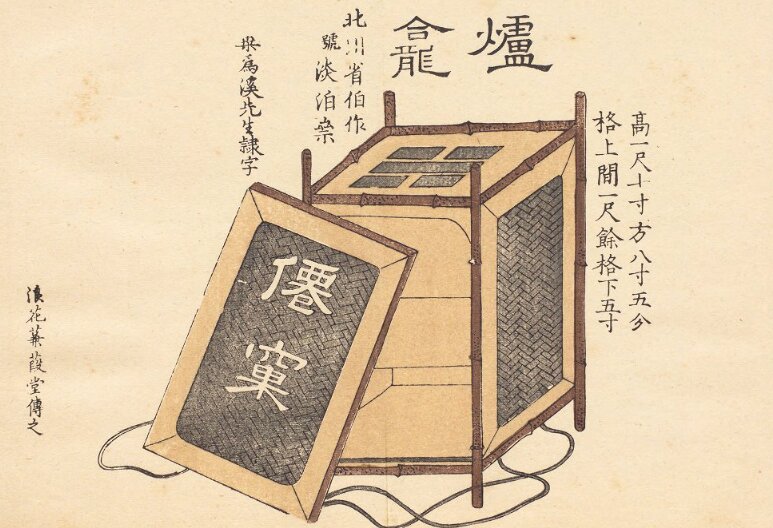
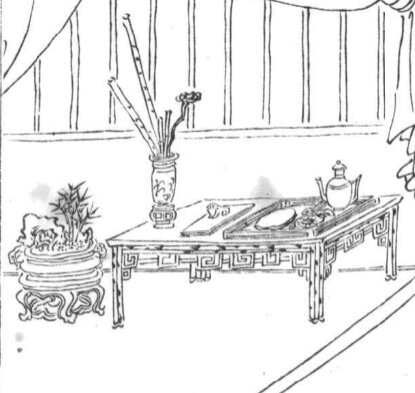
In fact, Baisaō had eventually left the Ōbaku school because he believed that Buddhist temples in Japan had grown too powerful and had moved away from the original teachings of Buddhism. Afterwards, he made a living by brewing and serving tea across Kyoto, moving from place to place to reach as many people as possible.
His tea stall was called "Tsūsen-tei" and, unexpectedly, it became a place where Baisaō's spirit continued to live on. It is also considered to be one of the earliest "cafés" in Japan.
Among his regular visitors were many poets, painters, and literary figures, including the renowned painter Itō Jakuchū, who gathered around Baisaō.
For Baisaō, tea was not something meant only for special occasions. He brought its spirit into everyday life. His tea stall seems to have attracted people who came together over tea and conversation, discovering new forms of freedom and beauty along the way.
The ritual of Kencha
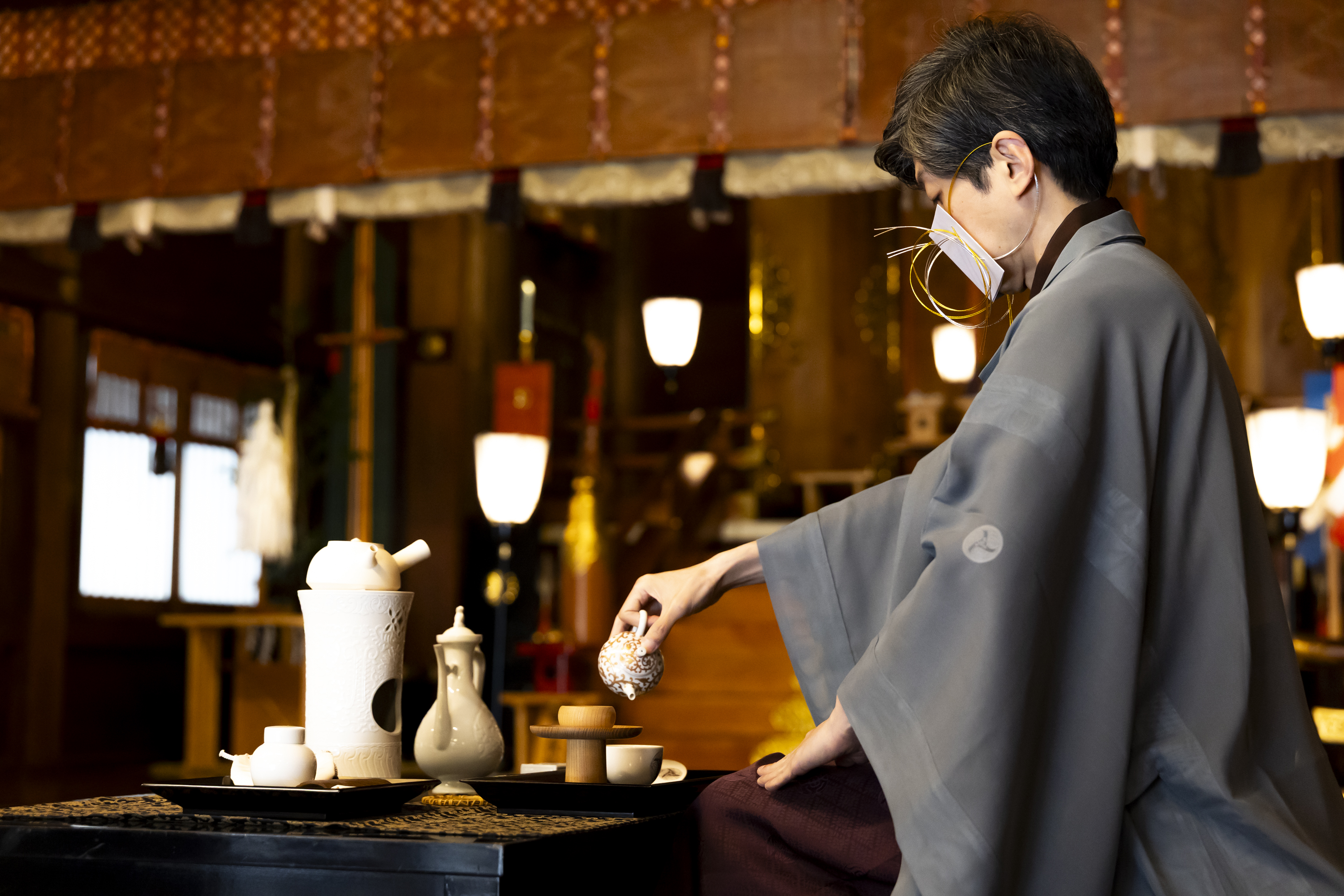
Several decades before Baisaō opened Tsūsen-tei on the streets of Kyoto, the Zen master Ingen brought to Japan, as part of Ōbaku culture, the technique of brewing tea leaves as it was practiced during the Ming dynasty.
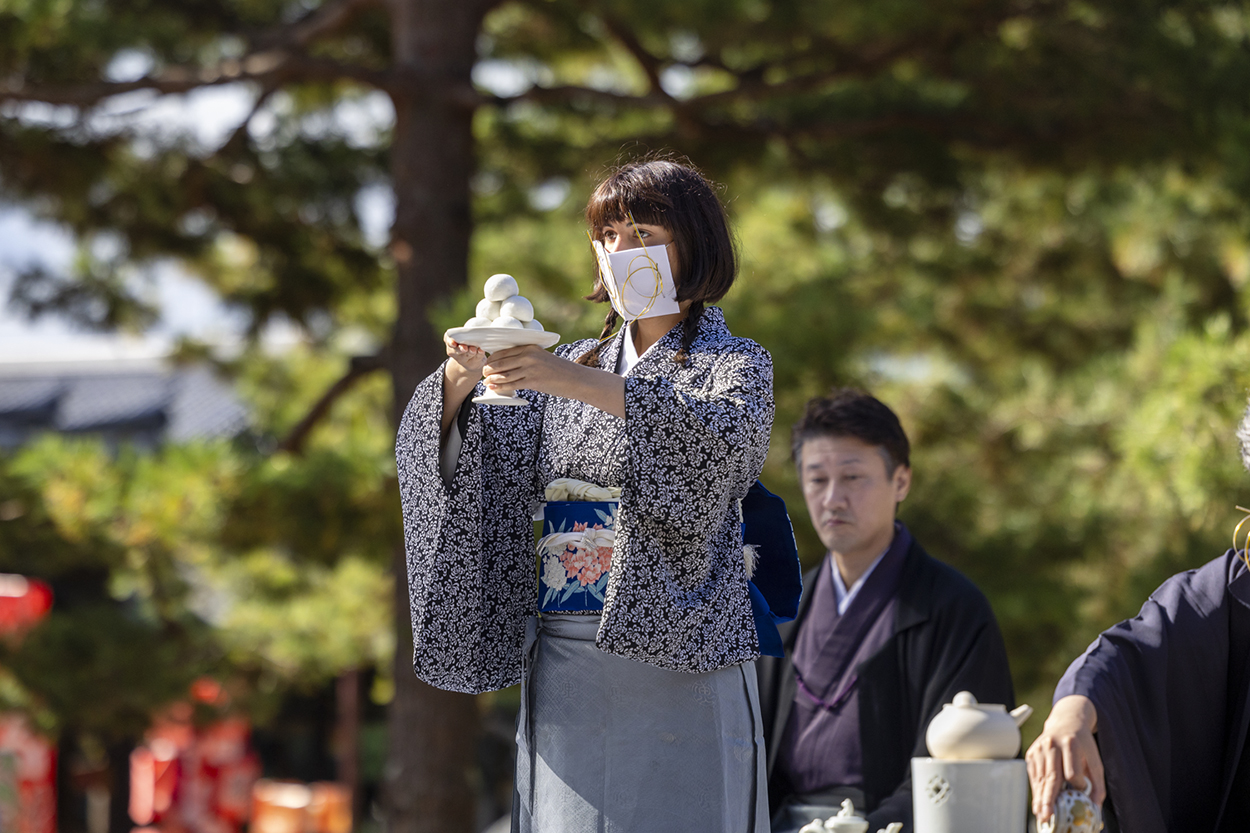
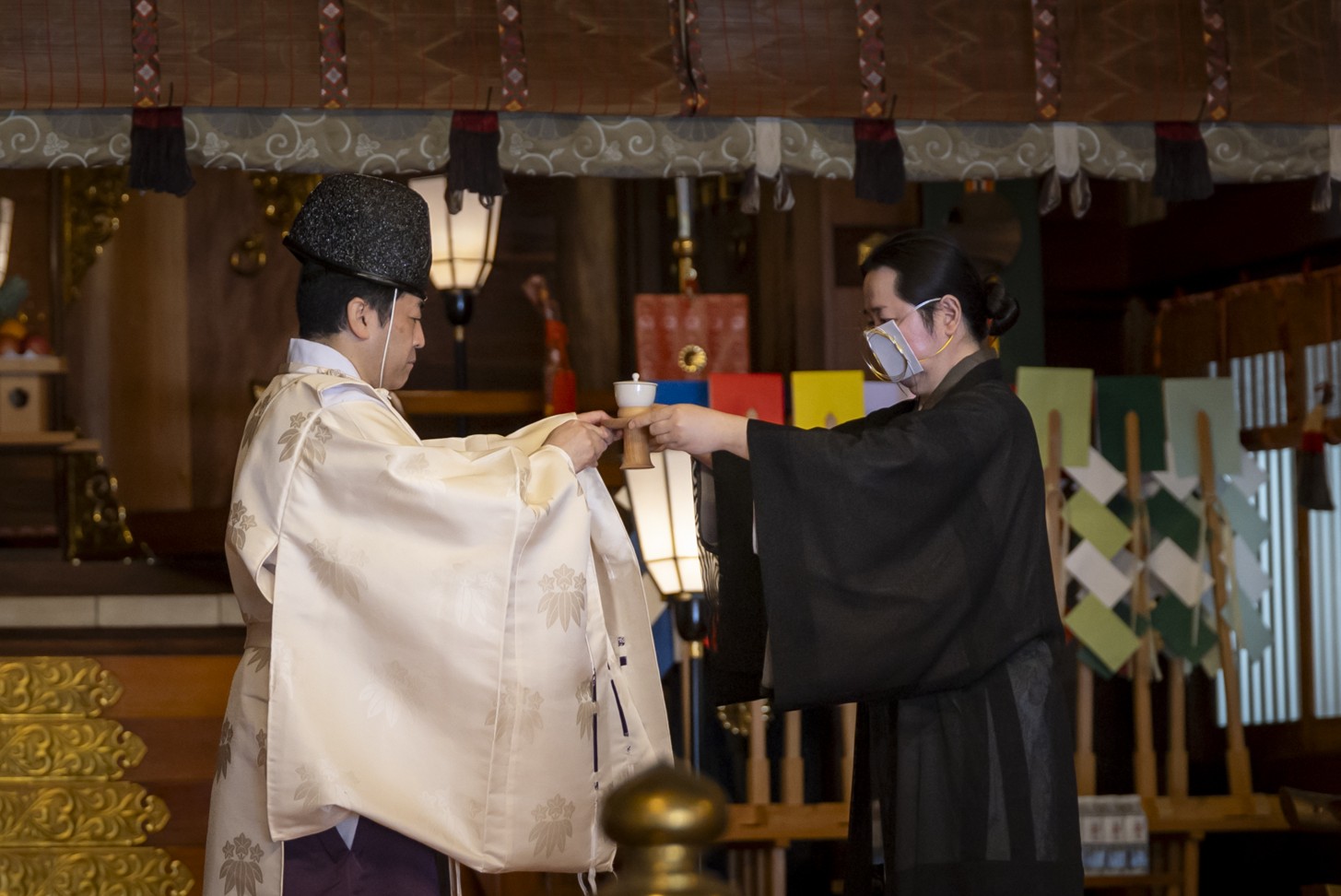
Over time, various schools of Senchadō emerged. Even today, they continue the tradition of kencha, a ceremonial offering of tea, following the tea rituals of the Ōbaku school.
Senchadō is about more than holding tea gatherings or having members of a school practise during keiko. Through practice, one of its important roles is to pass the spirit of Senchadō on to the next generation and preserve this cultural tradition for the future.
During kencha, tea is also offered to various deities, Buddhas, and to all things in nature, expressing gratitude for the blessings we receive each day.
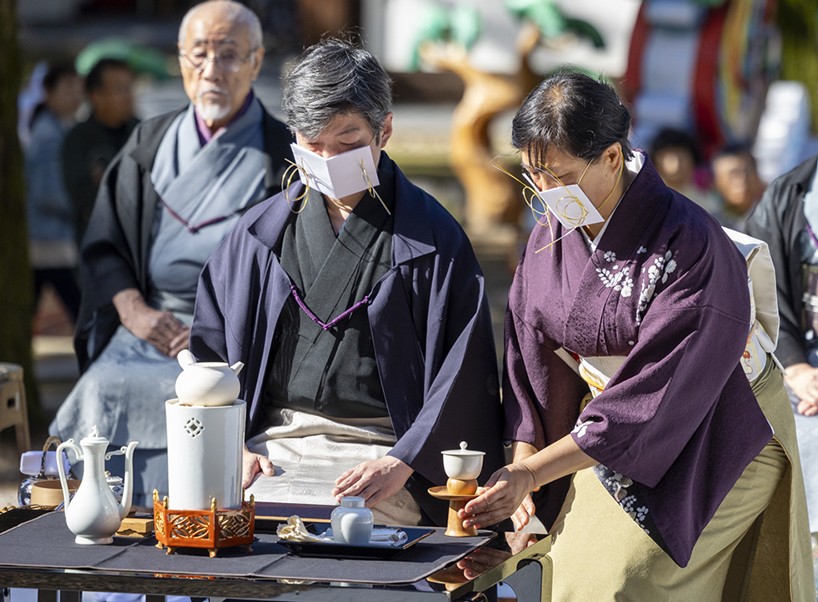
Members of a school practise for decades, aspiring to one day be able to perform kencha in place of the iemoto, the Grand Master and head of the school. A kencha ceremony cannot simply be performed by memorising its procedures. It is equally important to acquire the principles and way of thinking behind the temae, and this attitude is deeply rooted in the spirit of Zen.
In Ōbaku Baisa-ryū, once a person is formally admitted as a member of the school, they progress through successive levels: jun-shihan, shihan, and sō-shihan. Only after reaching the level of sō-shihan are they permitted to perform kencha.
Clarity, sincerity, and the spirit of mottainai
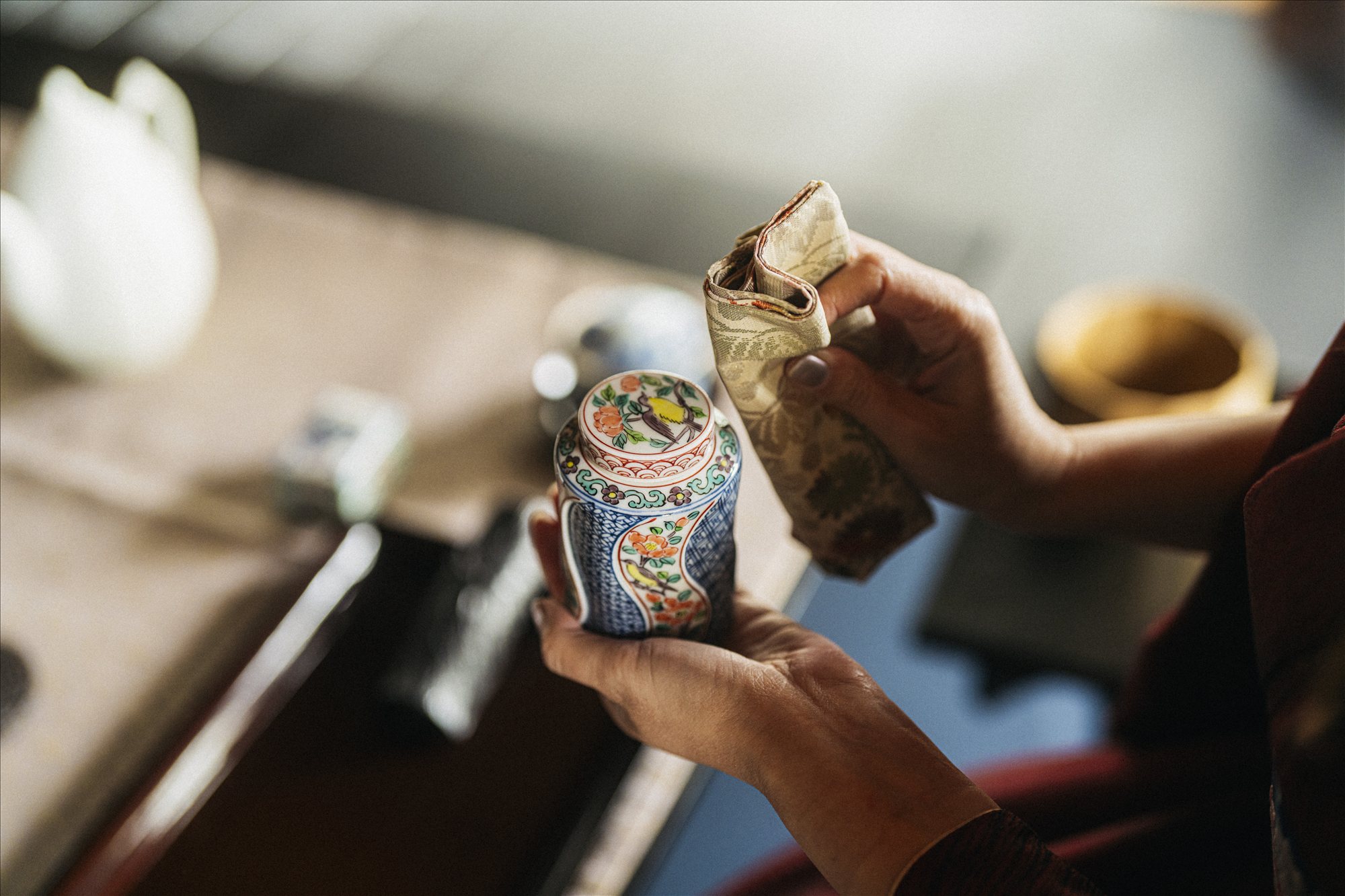
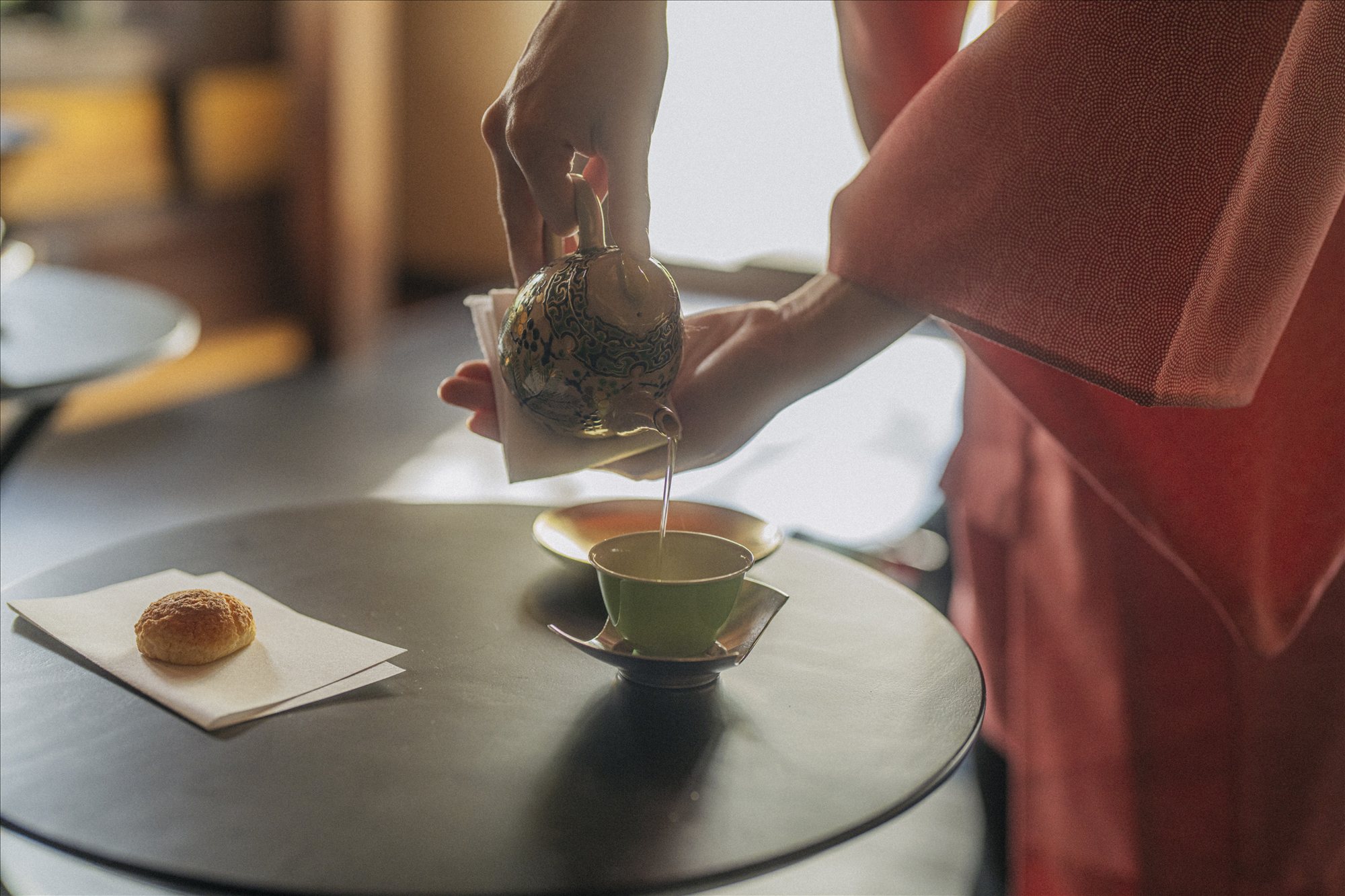
At the heart of Senchadō is a simple rule: never let the tea water become cloudy. Leaves and water meet inside the kyūsu, the Japanese teapot, and are then gently separated again: the tea is appreciated drop by drop on the tongue and through its aroma in the palate, rather than swallowed all at once as with matcha.
When a leaf's full character is not drawn out with the care it deserves, this is perceived as a small lack of respect towards everyone who brought it to our table — the grower, the producer, and the seller. This feeling, mottainai, leads the tea host to pay attention to every single leaf, however humble it may be.
That same unhurried sincerity gave rise to an important reform of our school’s temae during the Heisei era (1989–2019): the rigid seiza posture, kneeling on the tatami, was abandoned, movements were made broader for guests to see and share, and every guest began to be treated equally — with no single seat of honor.
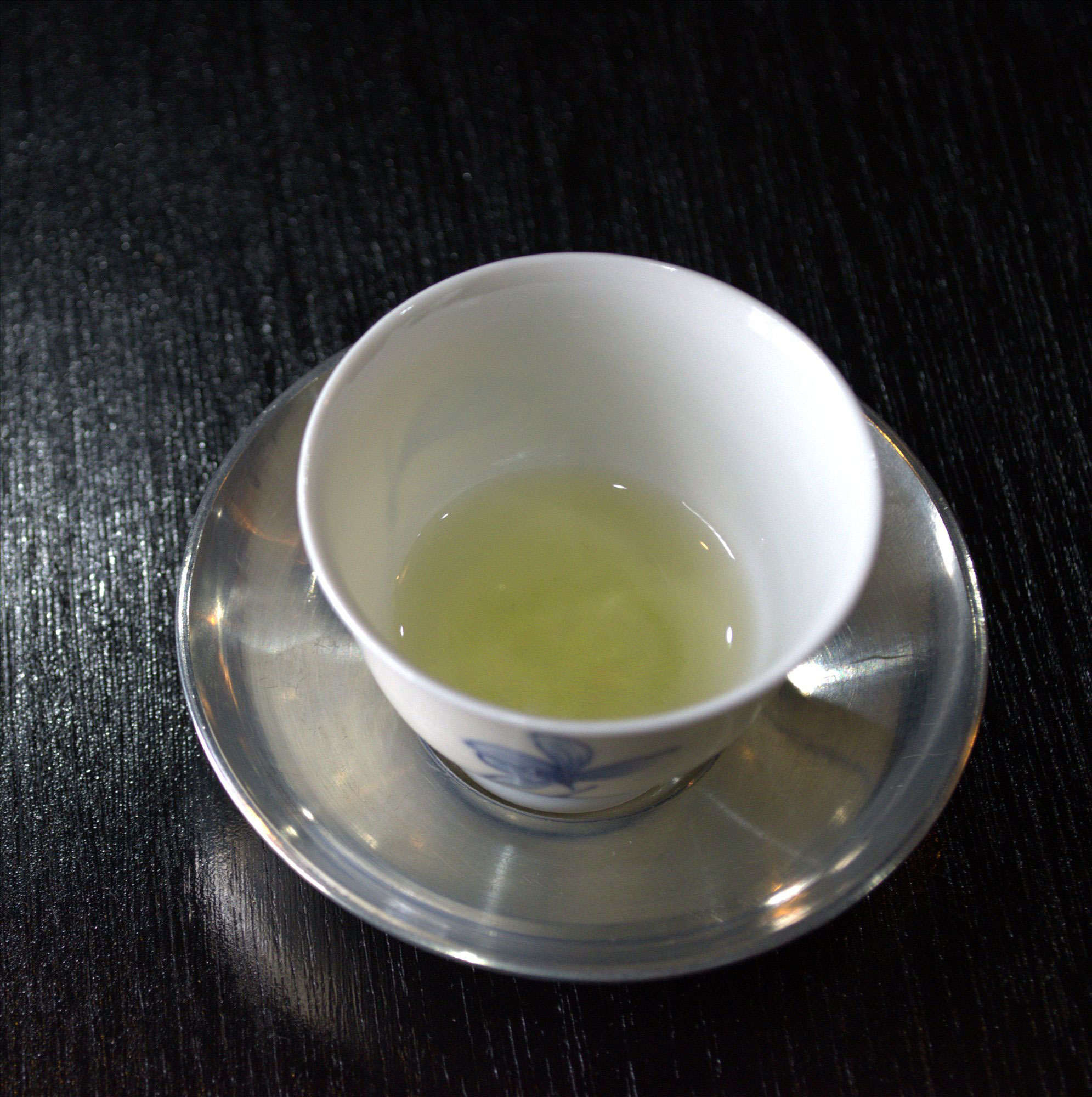
The colour of tea also carries its own history.
In Europe, England’s inability to grow wine grapes led the country to seek a beverage of a similar colour that it could regard as its own. When merchants went to India and discovered tea, black tea was developed, its deep red infusion still being associated with English tradition today.
In Japan, too, tea was originally brown in colour, but a cultural instinct to let the natural ingredients speak for themselves led cultivation and processing towards the vivid green that is now considered tea's most "premium" color.
An old saying captures the hierarchy of what mattered most: "for color, Shizuoka; for aroma, Uji; for taste, Sayama" — colour is named first, above taste itself.
The story of Senchadō continues through the people who practise it today. Join us in Kyoto to encounter the Ōbaku Baisa-ryū temae, share a cup of tea, and experience the tradition for yourself.