Nichigekka is a serene and refined hall dedicated to the art of Senchadō — a place where masters teach, guests witness the ceremony up close, and the spirit of Japanese tea culture is shared and carried forward in Fushimi-Momoyama, Kyoto.
Nichigekka is a place for learning, practice, gatherings, and exchange through Senchadō. From tea gatherings and demonstrations to lessons, cultural events, and time spent together over tea, the hall offers many ways to experience and share the culture of Senchadō.
Set within a historic wooden building, Nichigekka provides a quiet and welcoming space where tea, people, and the beauty of the surrounding environment come together naturally.
It is a special place where one can encounter the true essence of this timeless art.
The hall is also a place where different generations and backgrounds can meet, learn from one another, and share their experiences through tea. Rather than following a single way of spending time here, each gathering takes its own shape — always with Senchadō at its heart.
Each room at Nichigekka has its own atmosphere, from quiet moments with tea to gatherings shared with others.
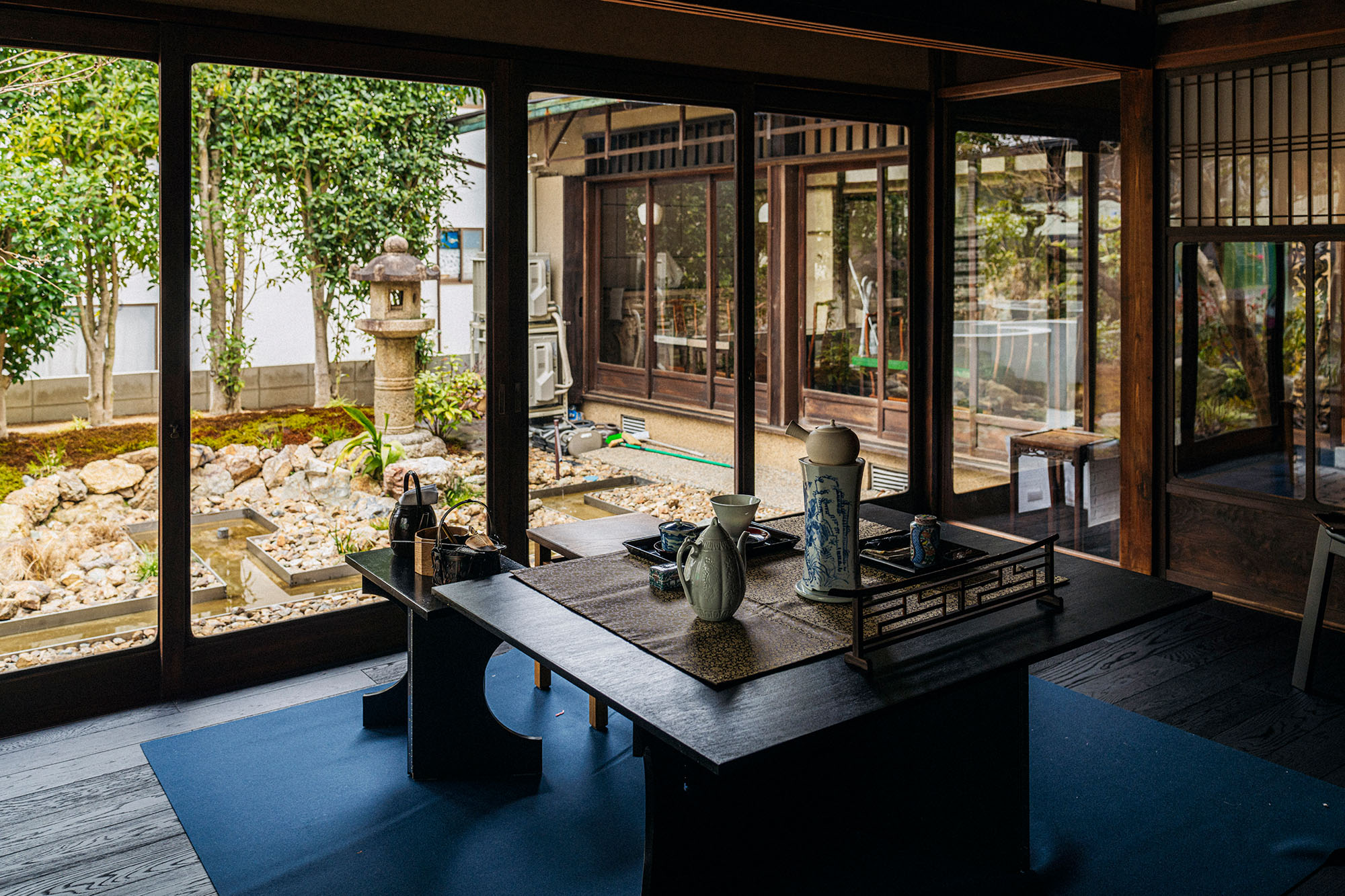
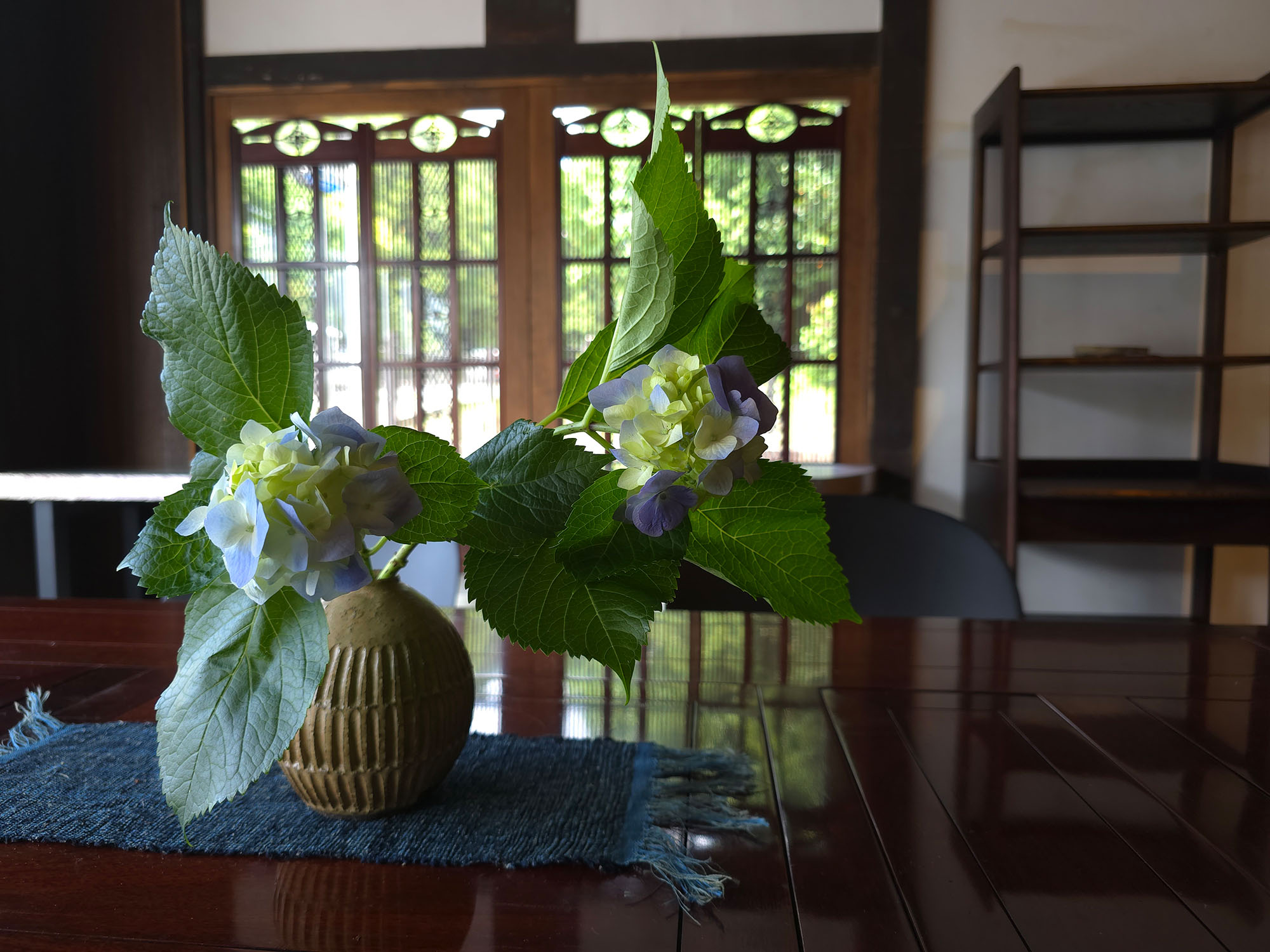
The temae room faces the garden, bringing a quiet view of the greenery into the space. The room is kept relatively dark, with soft, subdued light that creates a private and intimate atmosphere.
This setting allows the temae to take centre stage, while the garden, changing light, and surrounding quietness become part of the experience.
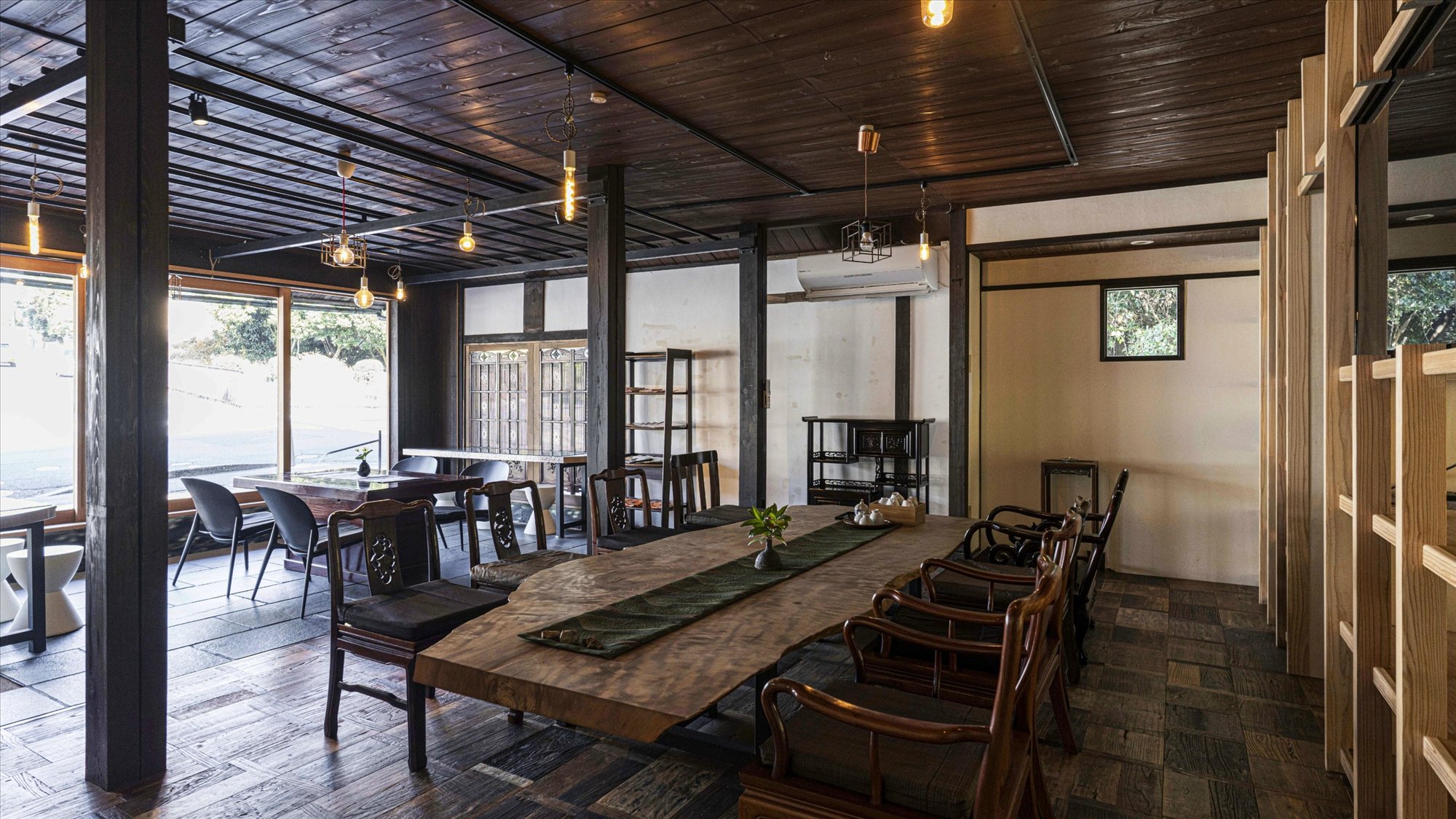
This room is a comfortable place to gather before a temae, offering time to settle in, have a kōsen, and spend a moment together before the ceremony begins.
With its natural light and simple, open layout, the room can be used in different ways depending on the occasion — from welcoming guests before a ceremony to lessons, small gatherings, and other activities.
It is a relaxed space designed to bring people together while maintaining the quiet atmosphere of Nichigekka.
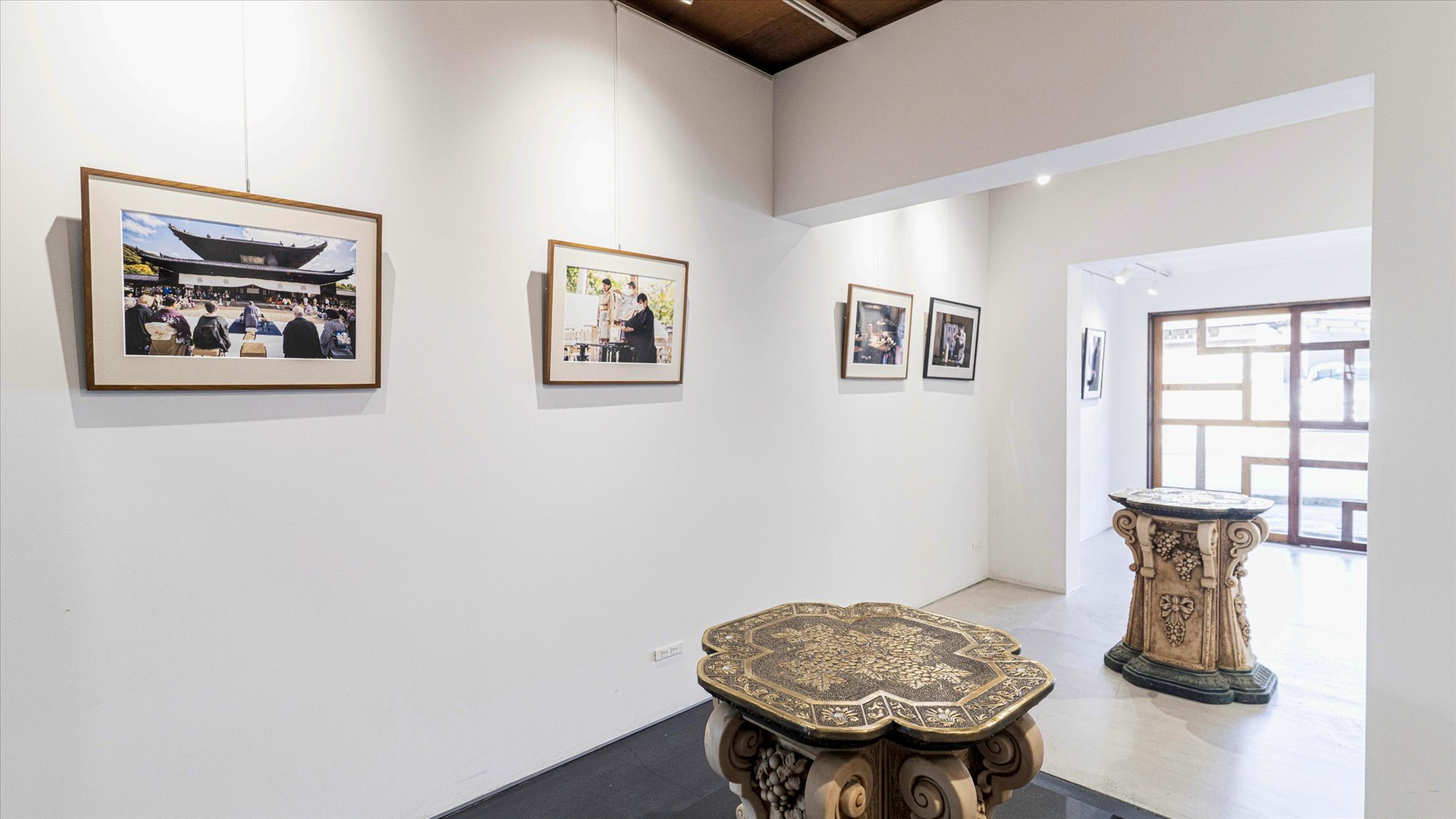
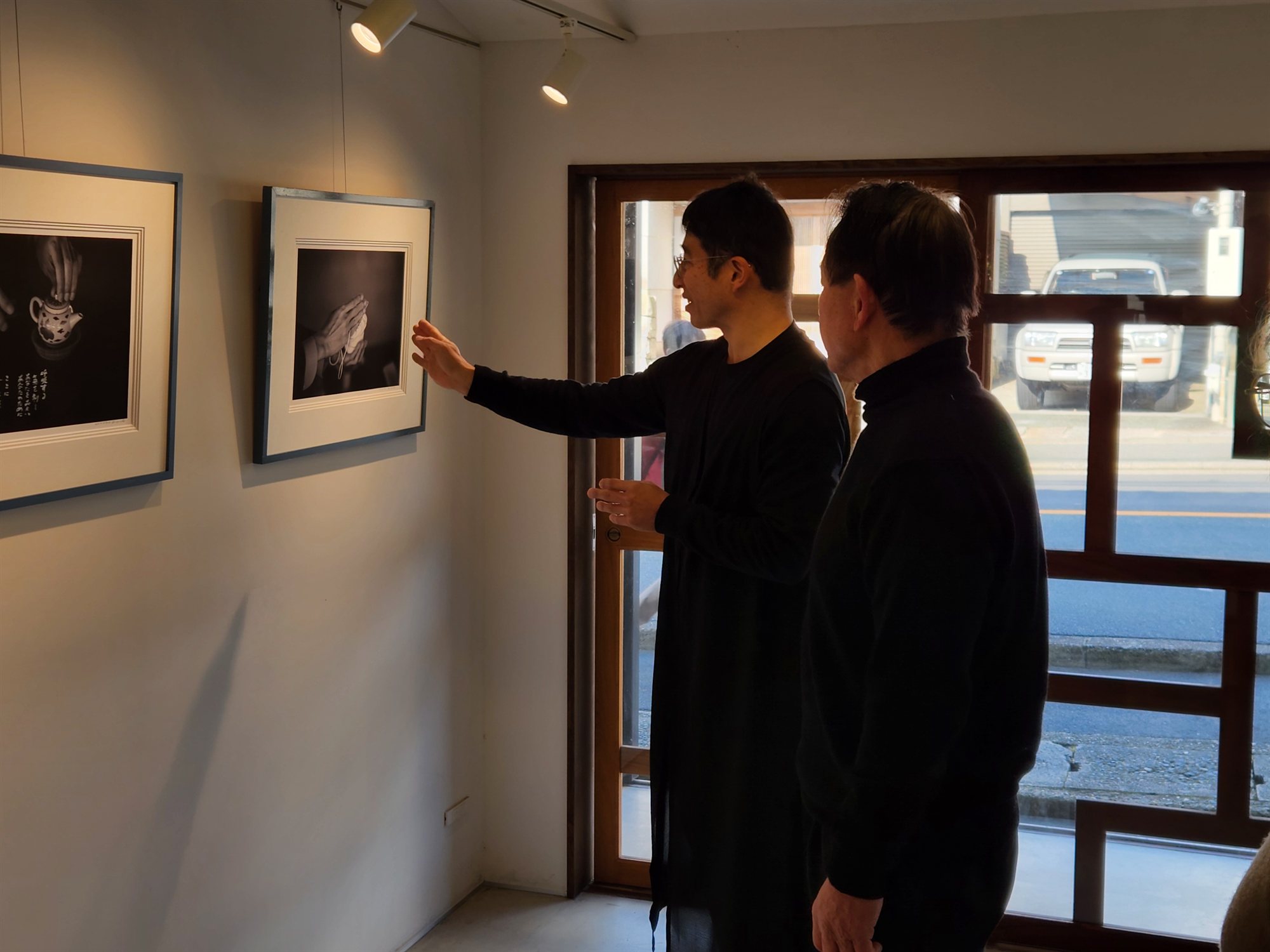
The gallery space at Nichigekka is designed to bring artworks naturally into the life of the hall, rather than separating them from the spaces where people gather and share tea.
Natural light, carefully chosen wall space, and areas of open space allow exhibitions to sit comfortably alongside gatherings, ceremonies, and other activities. The artworks become part of the atmosphere and surroundings, adding another dimension to the time spent at Nichigekka.
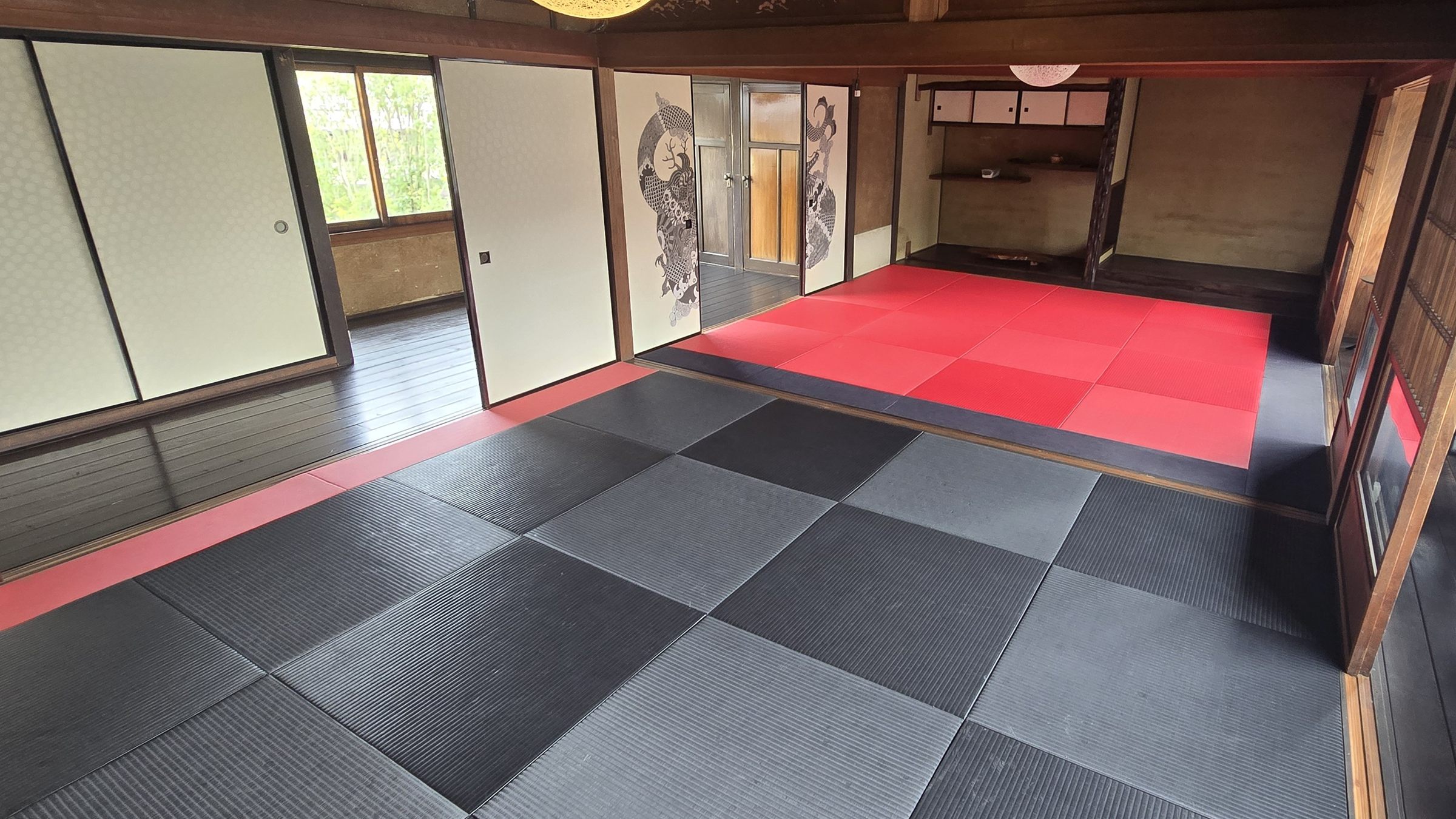
The tea room on the second floor is more spacious than the room below and opens onto a corridor with its own distinctive character. From inside the room, this adjoining space can be seen through the open passage — a setting that was once used for performances, including geisha dances and other forms of entertainment.
Today, the room is used both for Senchadō ceremonies and exhibitions. Its generous proportions and connection to the corridor create a different atmosphere from the more intimate tea room downstairs, while preserving a sense of connection to the history and character of the building.
Every part of Nichigekka’s name and surroundings has a story to tell — from an imperial mausoleum and a castle that disappeared, to a family of flower growers who later became the keepers of this place.
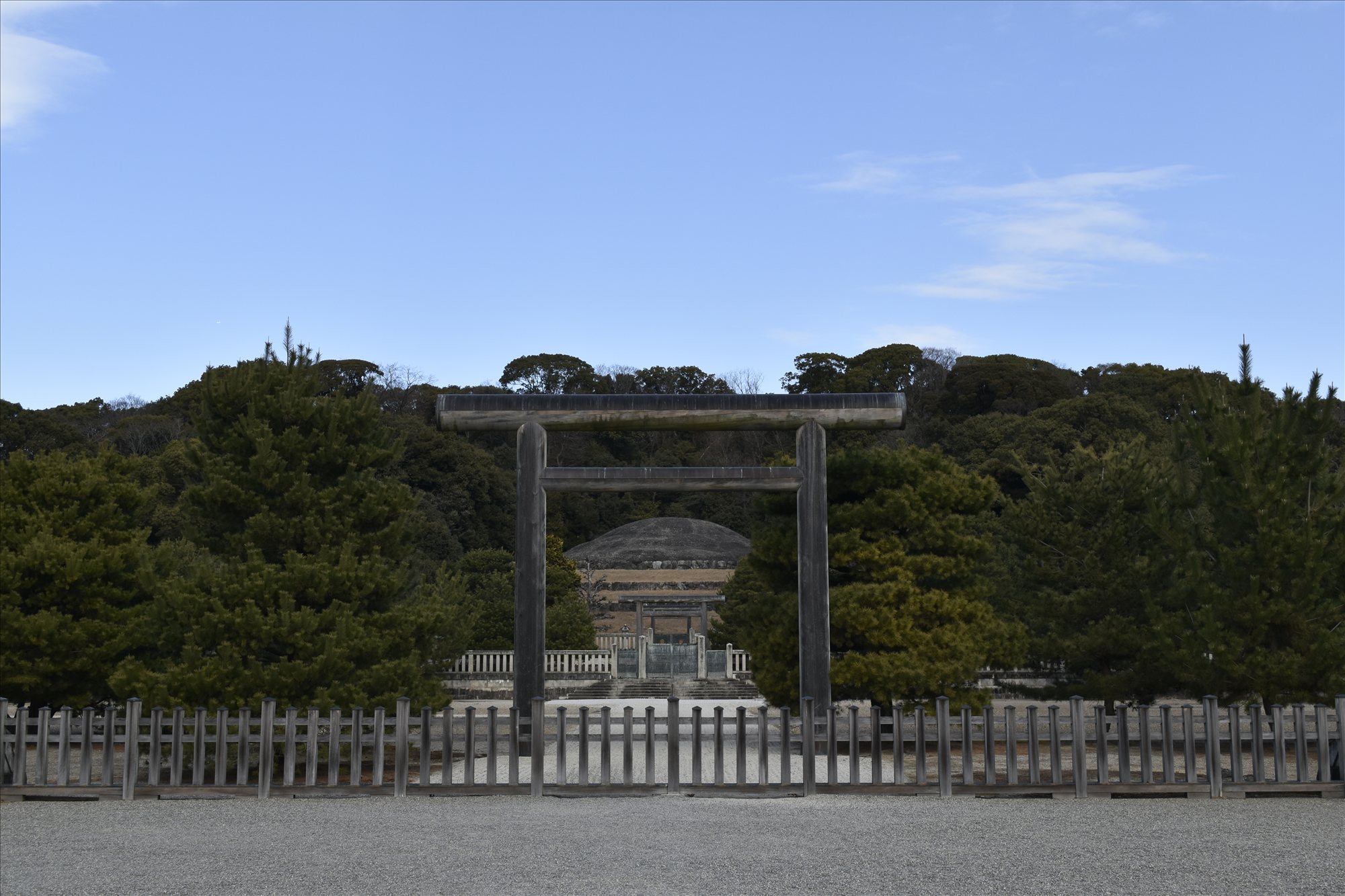
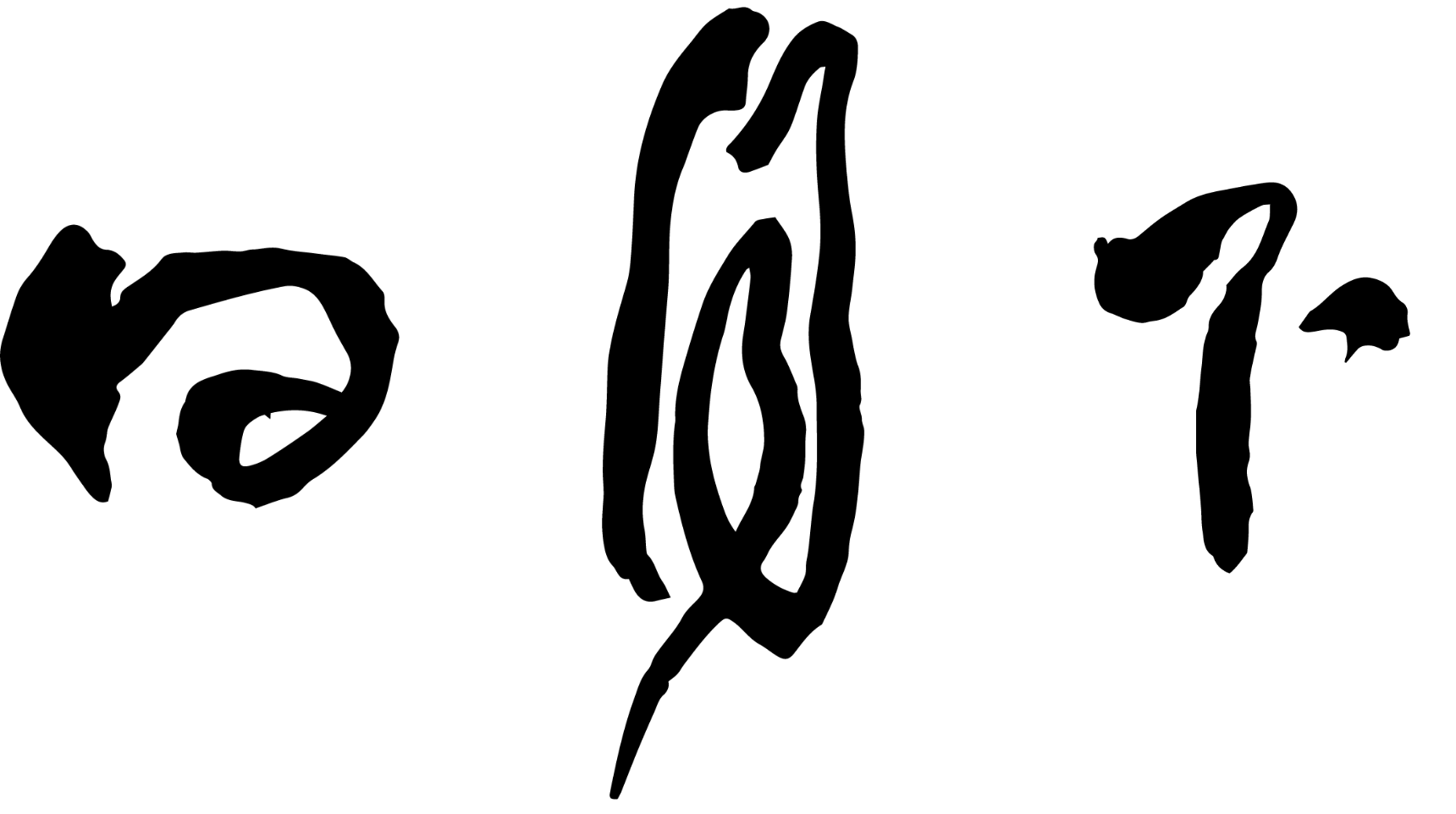
Nichigekka stands close to Emperor Meiji’s mausoleum. Its name, 日月下, is formed by taking the character 明 — as in “Meiji” (明治) — and separating it into its two parts: nichi (日), meaning “sun,” and getsu (月), meaning “moon,” followed by ka (下), meaning “beneath.” The name thus evokes a hall situated beneath, and watching over, the mausoleum.
The combination of sun and moon also carries an older meaning: two complementary halves that together form a whole, echoing the ideas of yin and yang. The name further recalls a couplet on the Sanmon gate of Ōbakusan Manpuku-ji, written by Ingen Zenji, in which the sun, moon, mountains, and rivers rejoice together as an open, boundless gate welcomes all. It is from this image of the sun and moon that Nichigekka takes its name.
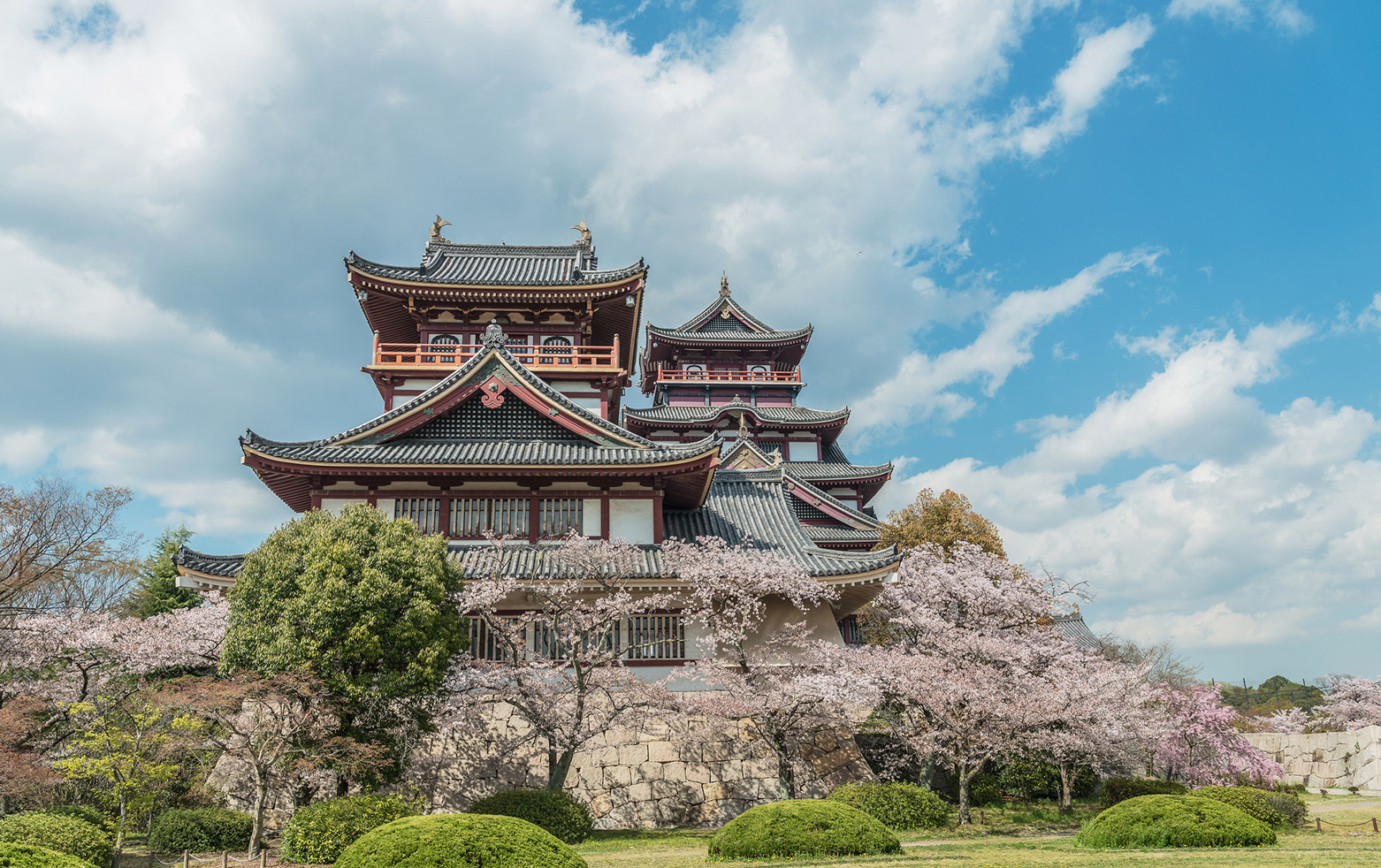
Centuries earlier, Emperor Kanmu chose this land southeast of his new capital for his own mausoleum, and the area became known as Fushimi (伏見) — those who would always bow low to look up toward the hill in reverence. It was Toyotomi Hideyoshi who later built Fushimi Castle beside Kanmu's tomb, intending it as his own resting place too, and gathered his daimyo into its castle town.
After Hideyoshi's death, Tokugawa Ieyasu eventually dismantled the castle and set about erasing its memory — including the place name itself. The Yoshimura family, Tokugawa retainers sent from Shizuoka, planted peach trees (momo no ki) across the hillside said to ward off misfortune, and "Fushimi" became Momoyama — Peach Mountain — giving its name to the Azuchi–Momoyama period. The Yoshimura family stayed on afterward, tending the hillside and building a livelihood growing and selling flowers.
The current building was raised in the Taishō era as a combined flower shop, residence, and workplace for the Yoshimura family. Through the early Shōwa period and the war years, soldiers travelling to pray at the mausoleum of the deified Emperor Meiji brought the hall to life — the family sold flowers, tea, and Emperor Meiji photo souvenirs, served meals in the second-floor hall that survives today, and on occasion welcomed Gion maiko for high-end hospitality.
After the war, worship at the mausoleum was banned by government policy and visitors fell away; the family kept a small local shop running until it closed in the 1990s, and the building became purely residential. In 2010, Yoshimura Ken began practising Ōbaku Baisa-ryū senchadō, and the building was reborn as Nichigekka Senchadō Kaikan — recognised by Kyoto City as a kyō-machiya. Unlike the narrow "eel's bed" layout of most central-Kyoto machiya, its full width faces the street, spanning over 300 m² across two floors.
Nichigekka welcomes individuals, groups, and tour operators. Whether you are looking for an authentic cultural experience, a venue for an art exhibition, or a space for a private tea gathering, we are happy to discuss arrangements.

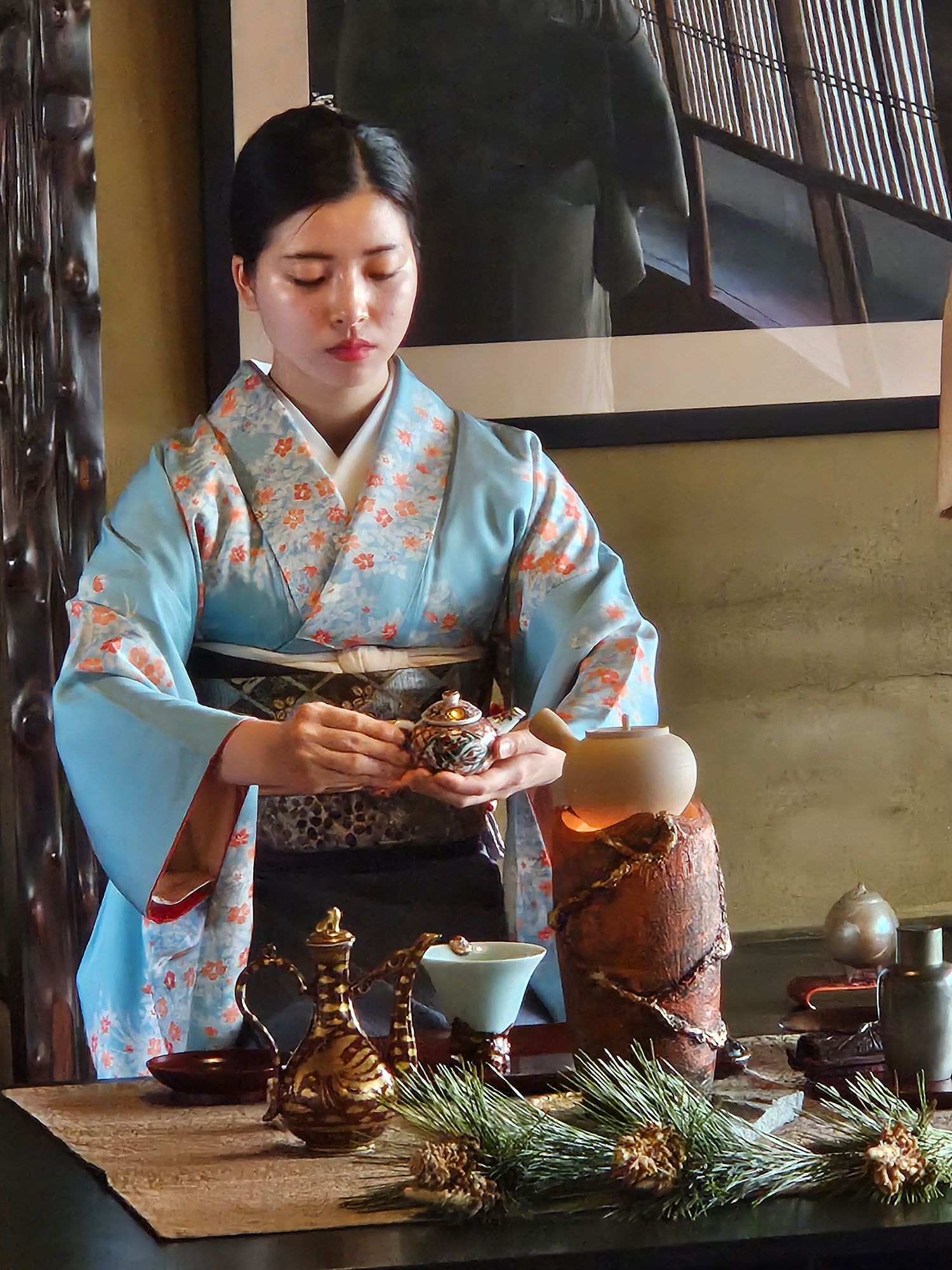
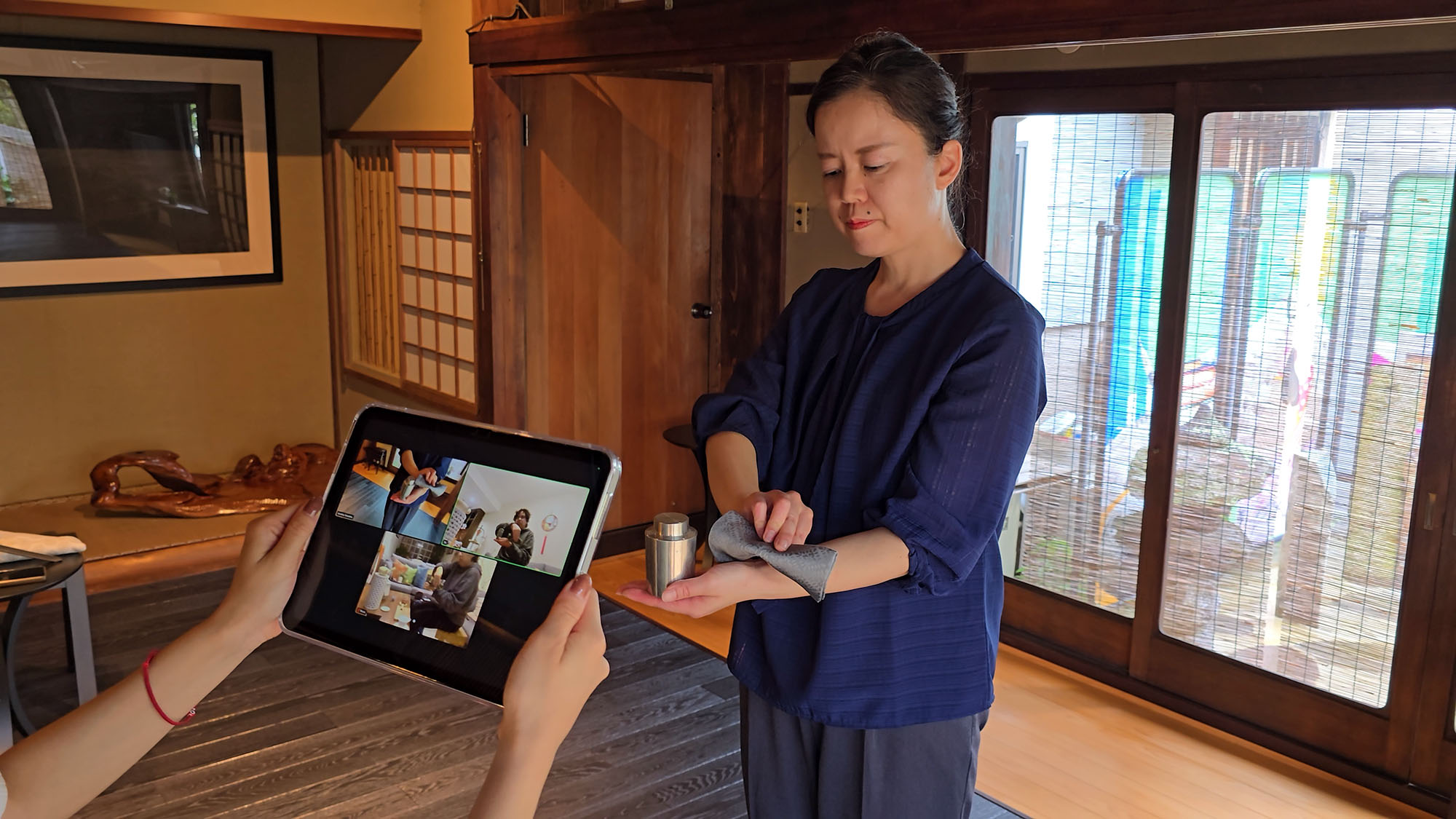
Witness a full senchadō ceremony performed by a licensed master in the hall. An intimate and authentic encounter with Japan's living tea culture. Ideal for cultural travellers and tour groups.

The hall's spaces are available for exhibitions where art and the tea ceremony coexist. The historic setting, natural light, and considered layout make Nichigekka a distinctive venue for cultural and artistic events.

Regular practice sessions (keiko) for members of the Ōbaku Baisa-ryū school take place at Nichigekka. New practitioners and those wishing to deepen their study are welcome to enquire about joining.
For individual visits, group bookings, venue hire, or keiko enquiries,
please reach us by email — we will respond promptly.
Available in English · 日本語 · Deutsch · Italiano
romanza.kyoto@gmail.com27-1 Momoyamacho Nabeshima, Fushimi Ward, Kyoto · 〒612-8037
Fushimi-Momoyama area · 3 min walk from Momoyama station on the JR Nara line · Open 10:00–16:00
27-1 Momoyamacho Nabeshima, Fushimi Ward, Kyoto · 〒612-8037
No on-site parking. Please use public transport where possible.