SENCHADŌ TEA CEREMONY · KIYOMIZU-GOJO, KYOTO
A tradition of tea, beauty, and connection.
煎茶道 · 一期一会
Step into Romanza and experience senchadō — one of Japan's most refined and intimate tea traditions, shared in a private salon in Kyoto.
Step into Romanza and experience senchadō — one of Japan's most refined and intimate tea traditions, shared in a private salon in Kyoto.
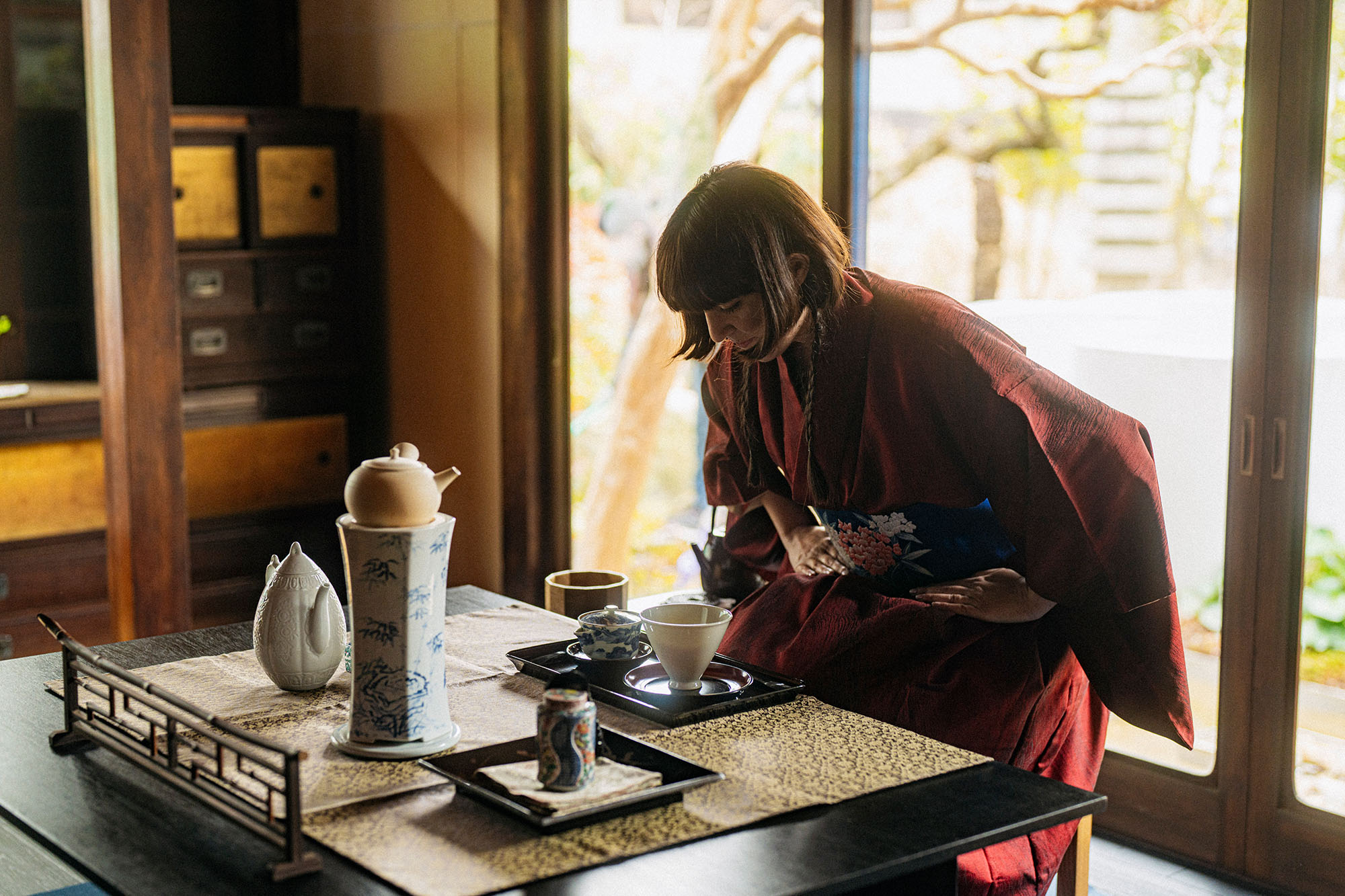
Senchadō is a traditional Japanese art of tea centered around the preparation of leaf teas such as Sencha and Gyokuro. It is about taking the time to appreciate each element with care—from the natural color, flavor, aroma, and character of the tea leaves to the sounds created as tea leaves meet hot water—while host and guest share and savor the moment together.
The origins of Senchadō can be traced back to the early Edo period. Its roots lie in the tea rituals practiced at Manpuku-ji Temple on Mount Ōbaku in Uji, Kyoto. It was the Ōbaku Zen monk Kō Yūgai Baisaō who began serving sencha to people on the streets of Kyoto. This gradually drew public interest as a new way of enjoying tea, distinct from the traditional Cha no Yu (matcha tea ceremony).
Baisaō’s approach attracted many poets, painters, and intellectuals. In sencha, they found a sense of freedom, simplicity and a distinctive aesthetic, and a culture began to flourish in which people gathered around tea to enjoy poetry, calligraphy, and painting together.
Over the centuries that followed, various schools emerged, each developing its own approach to arranging the tea utensils, handling the teapot, and carrying out the temae.
Today, in Japan, the word “sencha” generally refers to a type of green tea. In Senchadō, however, “sencha” originally comes from the expression “to steep tea leaves”. When water is heated over a fire and tea leaves are placed into boiling water, they make a distinctive sizzling sound. The practice of putting tea leaves into hot water and drinking the resulting tea was described as senjiru (“to steep”), which is where the name sencha comes from. It also directly reflects the way tea was prepared and enjoyed in China during the Ming dynasty.
The history of tea is generally said to have begun when the tea plant was discovered in southern India and later brought to China. In China, the way tea was prepared changed with each successive dynasty: compressed tea cakes became common during the Tang dynasty, powdered tea during the Song dynasty, and steeped leaf tea during the Ming dynasty.
The tradition that eventually led to today's matcha comes from the powdered tea of the Song dynasty. Buddhist monks brought this method to Japan, where the practice of dissolving powdered tea in hot water gradually became established. Later, Sen no Rikyū added his own aesthetic sensibility, shaping the Japanese tea ceremony around the ideals of wabi-sabi.In China, meanwhile, the way tea was prepared shifted from powdered tea to steeped leaf tea during the Ming dynasty. This method was eventually introduced to Japan, where it spread throughout the country.
At Romanza, we offer several ways to encounter Senchadō,through watching a complete temae, preparing tea yourself or exploring the variety of Japanese teas.
Choose the experience that interests you and discover a different side of Japanese tea culture.
※ For groups of more than 5, please contact us in advance to discuss availability.
All experiences are available in English, Japanese, German, and Italian.
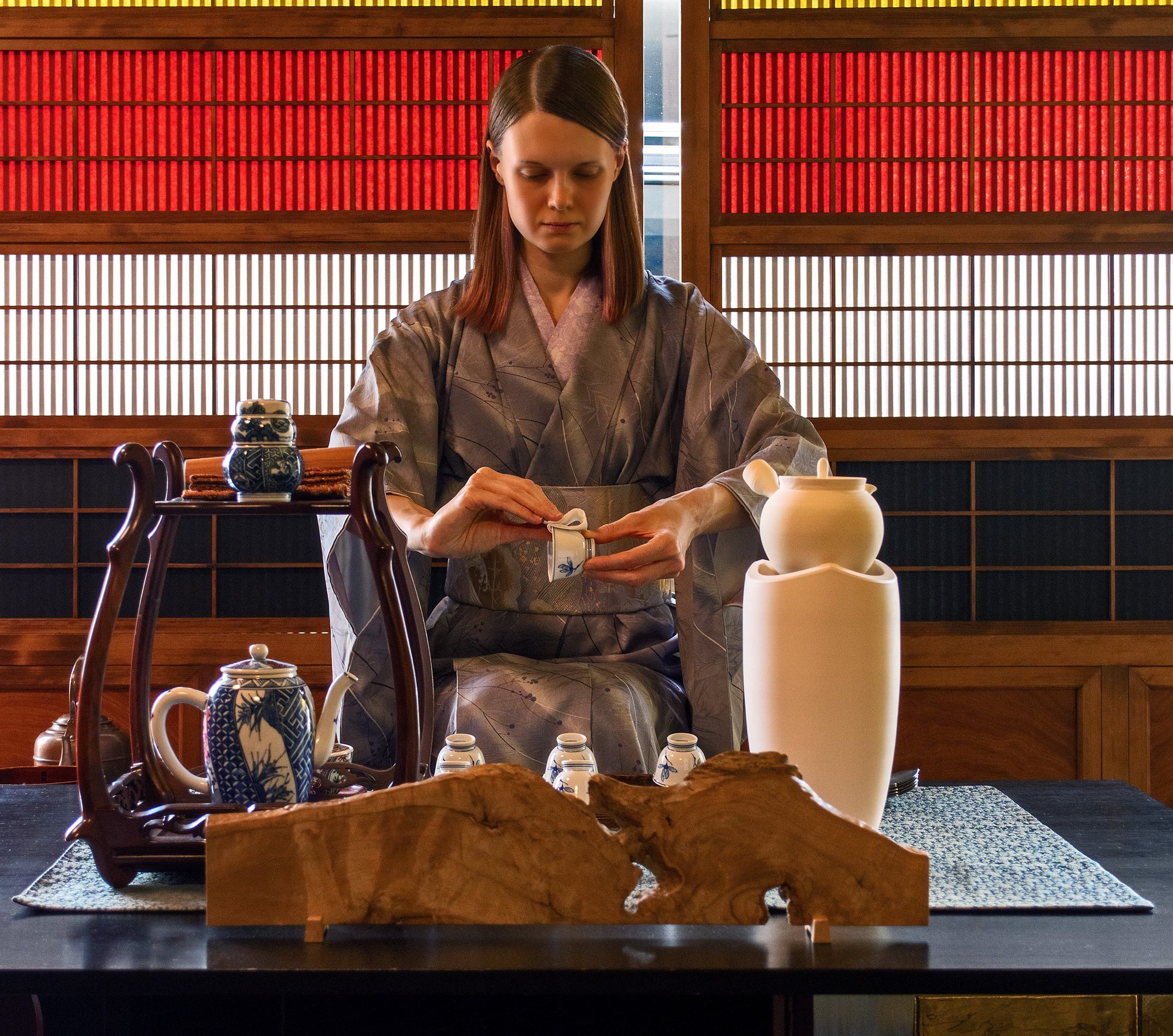
Enjoy a complete Senchadō temae, performed by your host from beginning to end. Before the ceremony, learn about the tradition, its utensils and tea leaves, then savour gyokuro and discover the peculiarities of this tea.
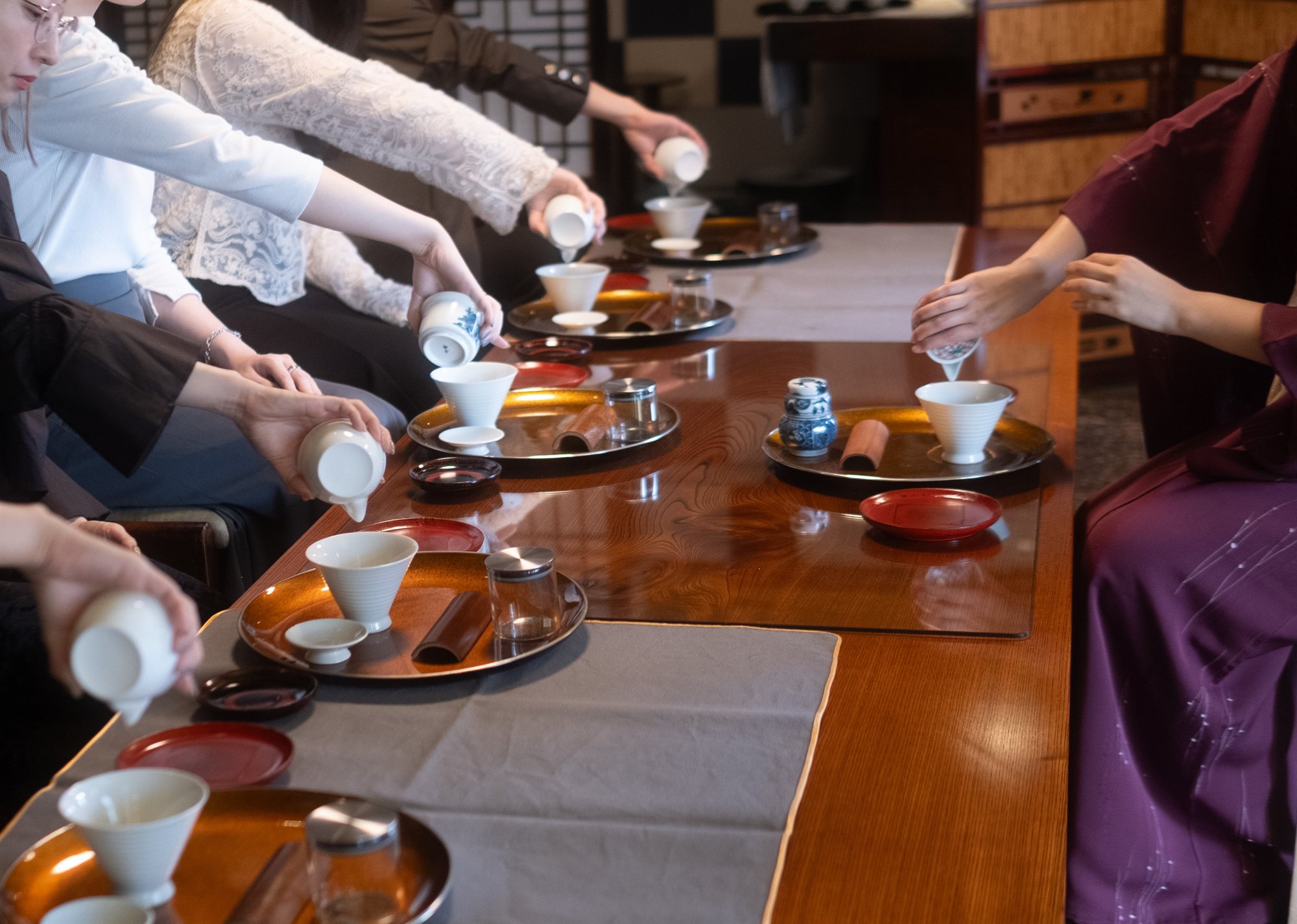
First, experience a complete Senchadō temae performed by your host. Then, under her guidance, prepare and serve your own tea using a simplified form of the same ceremony — an opportunity to experience Senchadō from the host’s side.
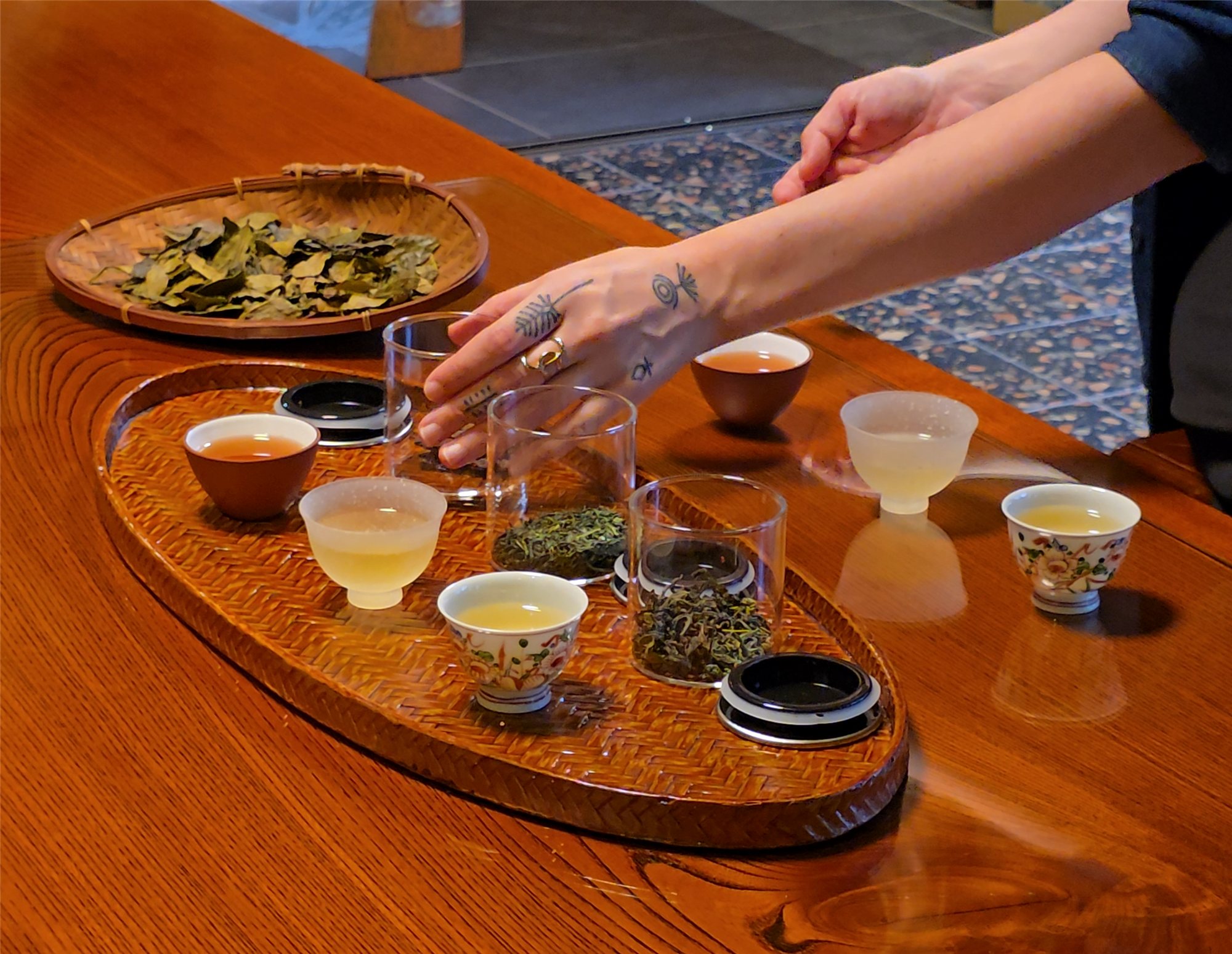
Taste and compare a selection of three Japanese teas while learning about their origins, production methods, and individual character. This experience invites you to discover the variety of flavours and aromas that can be produced from the same plant.
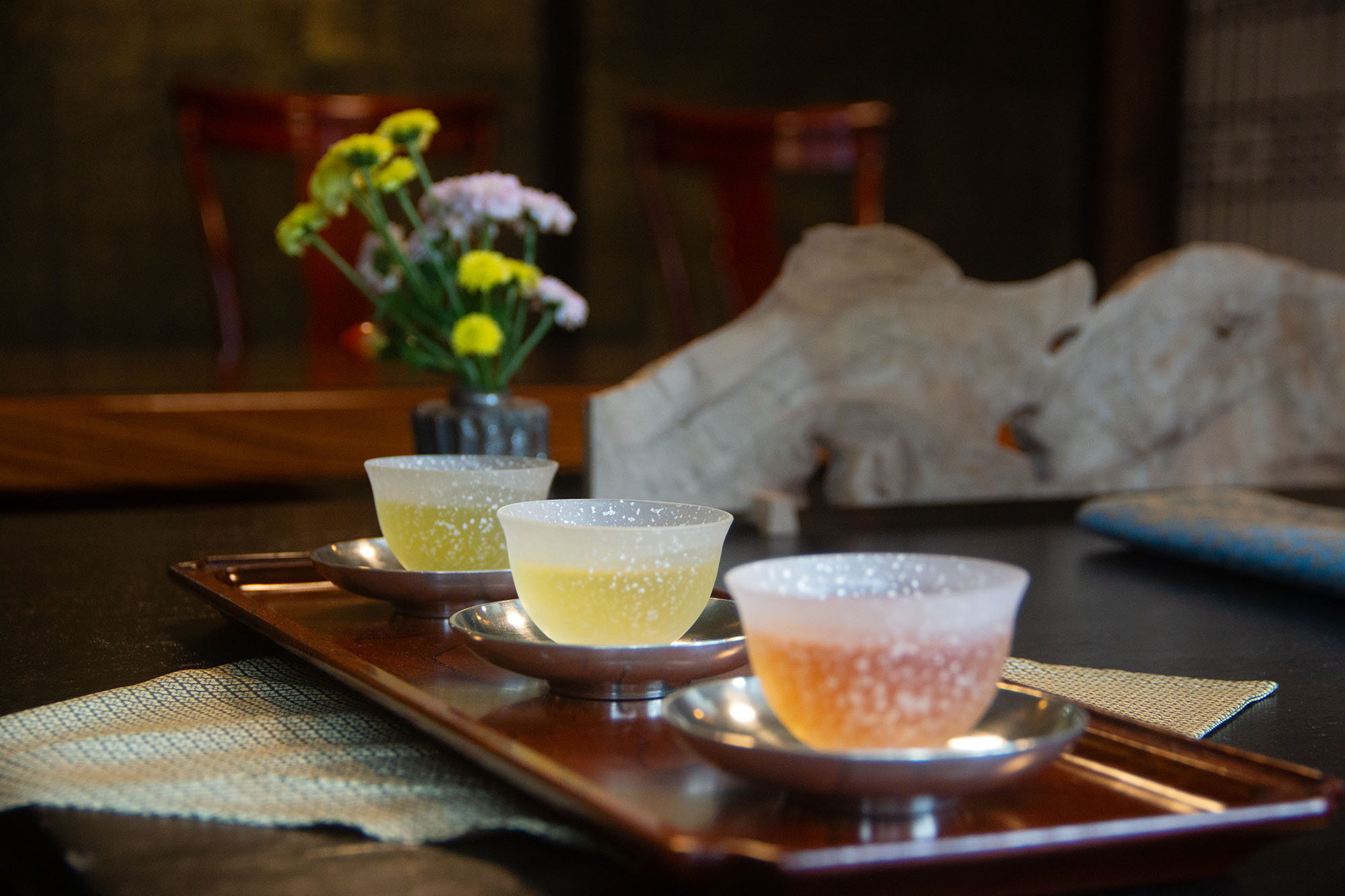
Experience Japanese tea culture from two perspectives: first through a complete temae performed by your host, then through a guided tasting of three Japanese teas. Learn about the culture and history of tea while exploring the different character of each leaf.
Every session at Romanza is hosted by a practitioner of the Ōbaku Baisa-ryū who holds the rank of shihan or jun-shihan. Their knowledge and experience offer an opportunity to encounter Senchadō through the practice itself.
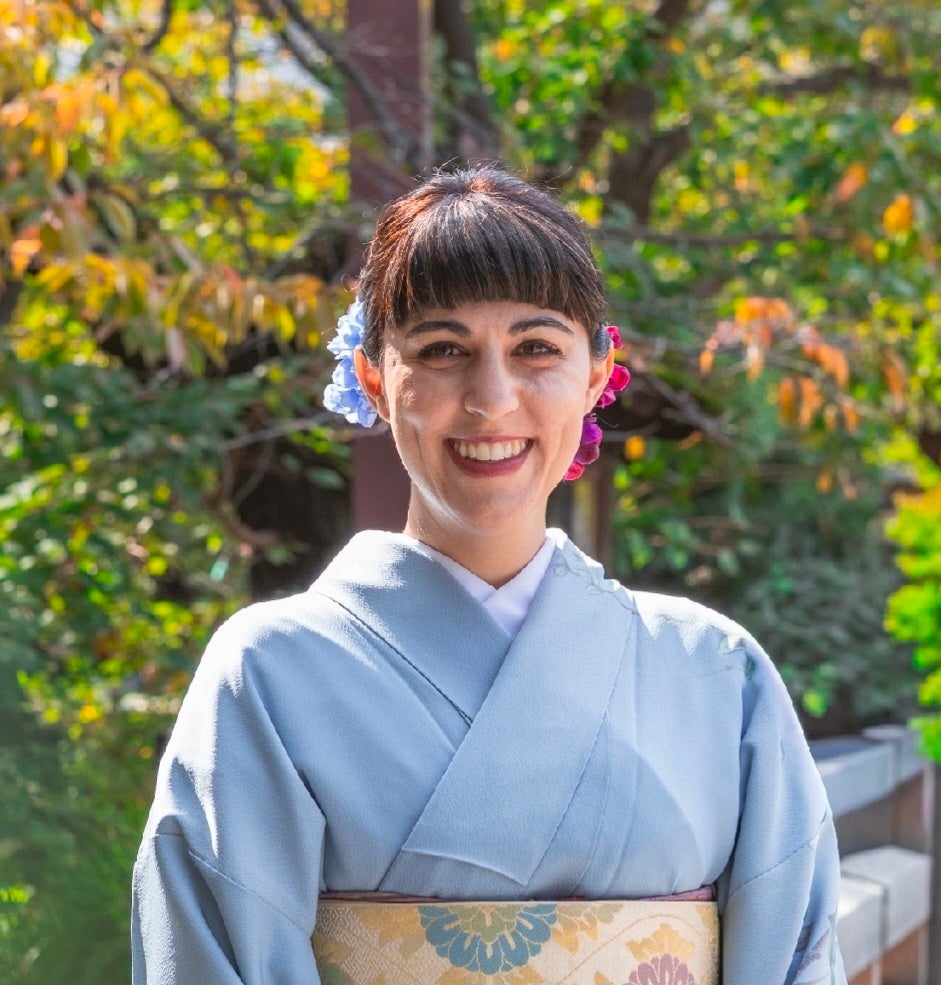

Irene guides guests through Senchadō in a relaxed and approachable way. She enjoys explaining the culture, history, and details behind the tea ceremony in a way that is clear and engaging, rather than formal or academic. Her goal is to help each guest feel at ease while discovering the depth and richness of a tradition that may seem simple at first glance.
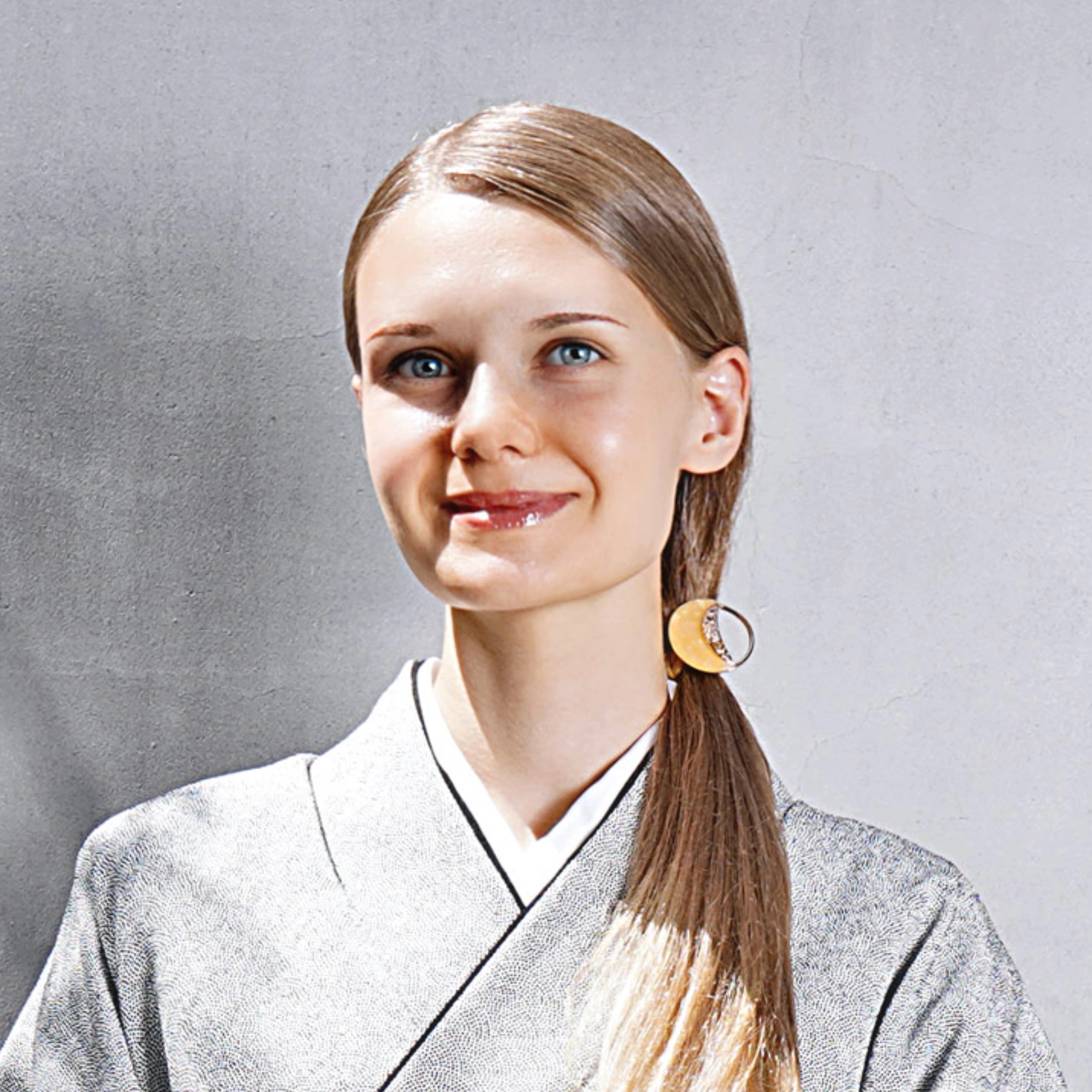

A licensed shihan of the Ōbaku Baisa-ryū and certified Japanese Tea Advisor, Ute brings extensive knowledge and experience to every session at Romanza. She is equally at home with the cultural background and the finer details of Senchadō, and enjoys sharing her knowledge with both Japanese and international guests. She also leads Senchadō events and has appeared in Japanese television programmes dedicated to the tradition.
Our tea experiences are available by reservation.
Check availability and choose the experience, date, and time that suit you.
Available in English · 日本語 · Deutsch · Italiano
You will be redirected to our booking system2-69 Honmachi, Higashiyama Ward, Kyoto · 〒605-0981
Kiyomizudera area · 3 min walk from Kiyomizu-Gojo station on the Keihan line
2-69 Honmachi, Higashiyama Ward, Kyoto · 〒605-0981
No on-site parking. Coin parking available nearby.